Characterising Online Private Treaty Negotiations

Field Evidence from Irish Residential Property

Damien Dupré and Healy Hynes

A Real Bidding War

the Irish market is changing …

  • Irish property market shifting from opaque, agent-mediated negotiations to transparent digital platforms
  • Online platforms allow buyers to observe competing bids in real time
  • Perceived as fairer by a majority of the public (Robertson et al., 2026)
  • But little is known on the impact of this new technology on the actual bidding behaviour.

Data

  • Source: Anonymised transactional logs from an online offer management platform in Ireland (2018–2024)
  • Each record: timestamp, property-scoped buyer ID, offer amount (€), property ID
  • After filtering (negotiations with 2+ participants):
Metric Value
Properties 574
Unique buyer 2,148
Top-offer outcomes 24%

Descriptive Analysis

Property-level measures:

  • Number of active participants
  • Total number of offers
  • Duration of negotiation window (first to last offer)
  • Trajectory of offer escalation

Participant-level measures:

  • Average offer increment (€ above preceding offer)
  • Average response latency (hours between offers)
  • Number of offers placed

Results

Competition

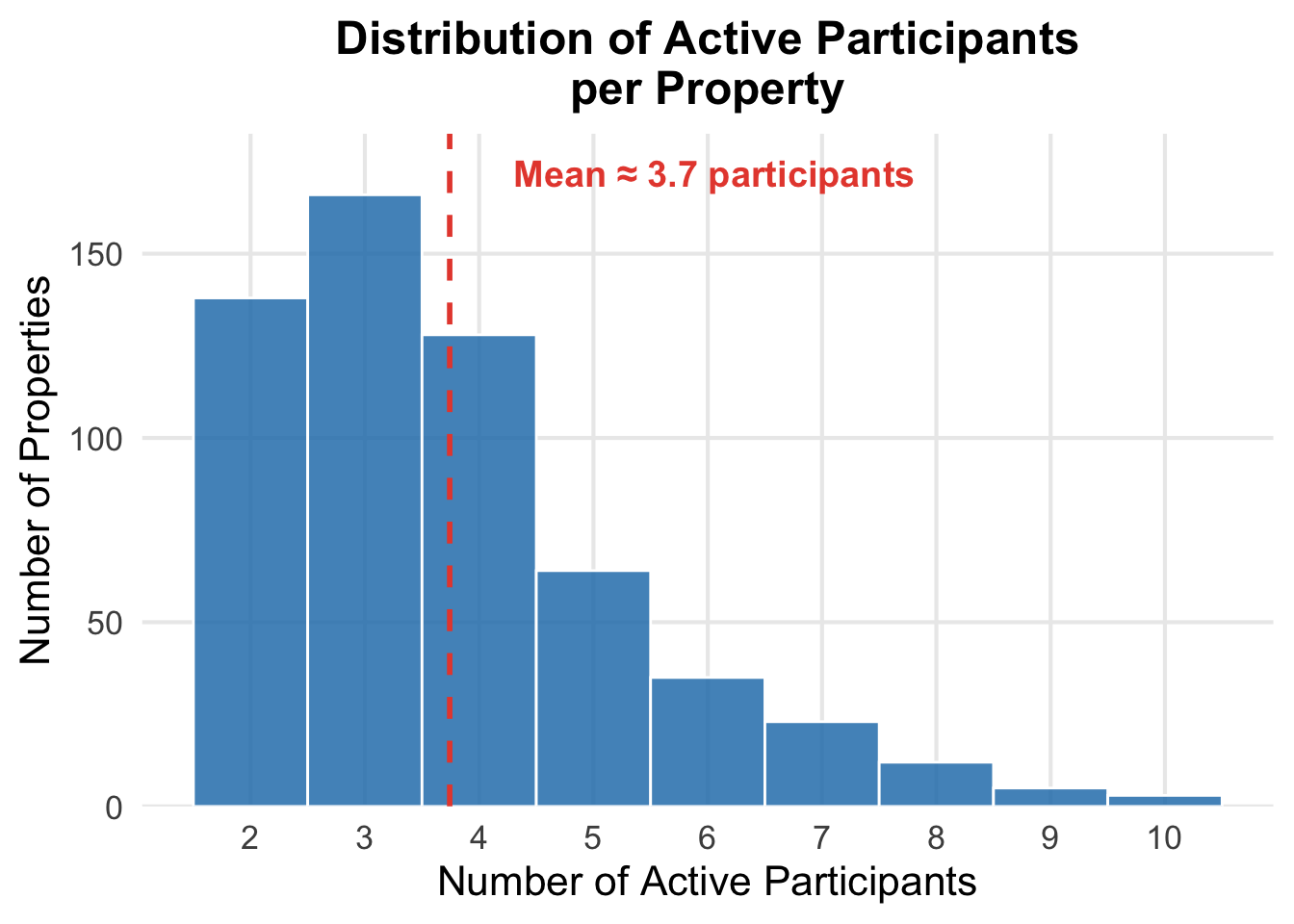
  • Most properties attract only 2 or 3 active bidders.

  • However, a long tail of highly contested negotiations exists.

Offer Increments
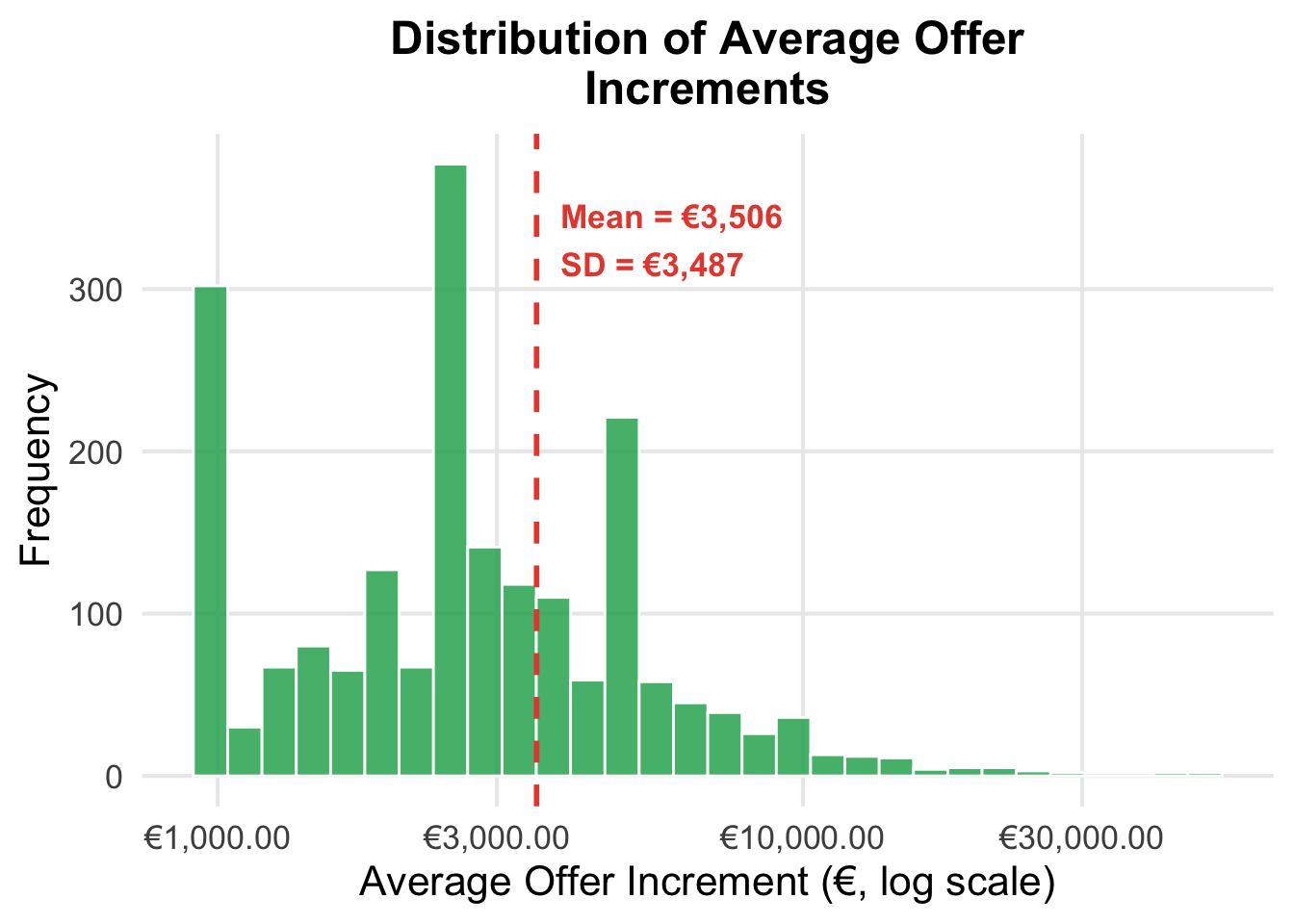
  • Bid increments are right-skewed as most are modest, but some buyers make very large jumps to signal commitment.

  • Heavy use of €1k, €2.5k, and €5k jumps.

Response Latency
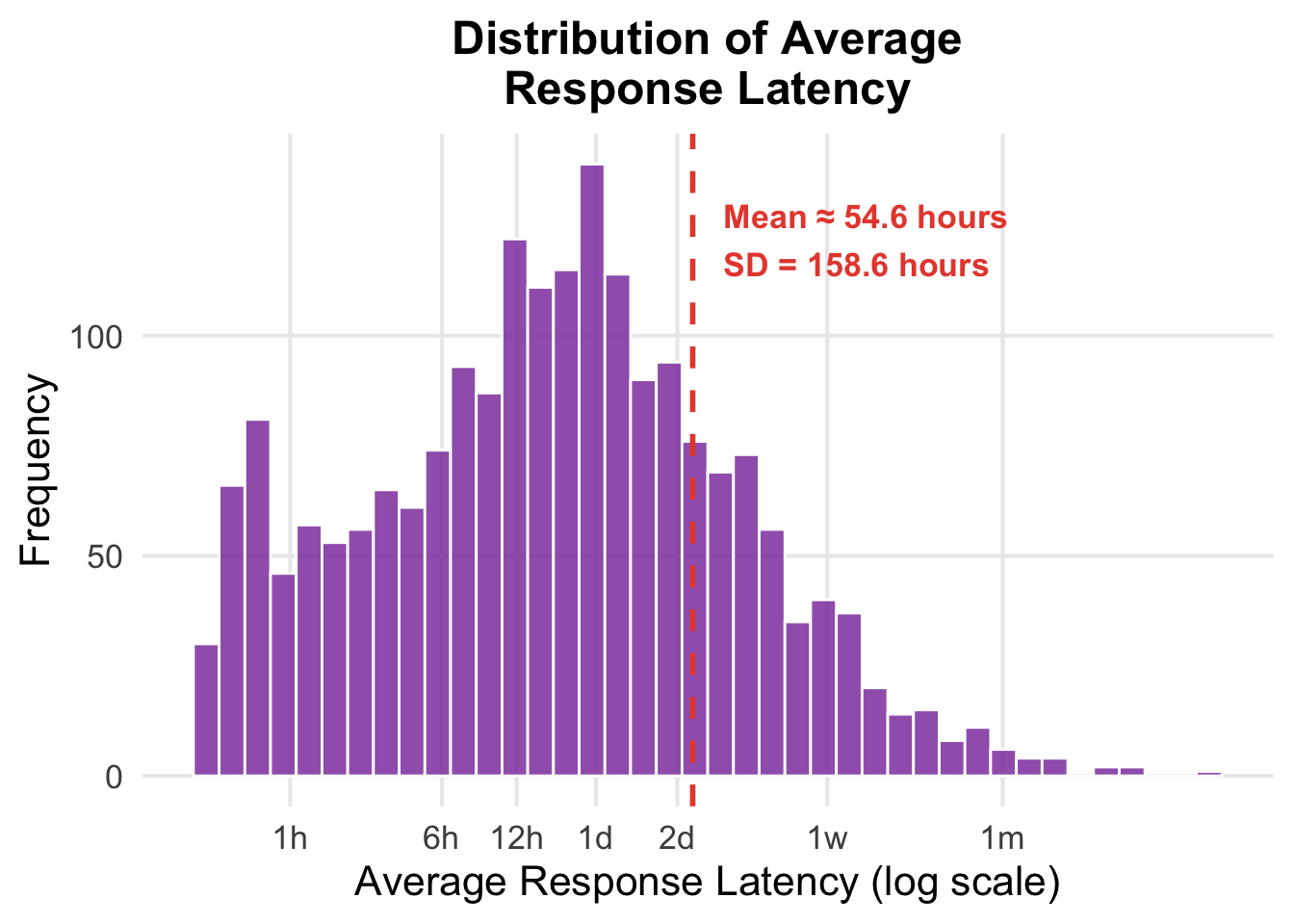
Most responses come within hours, suggesting real-time competitive pressure, though some negotiations stretch over weeks.

Competition and Price Premium
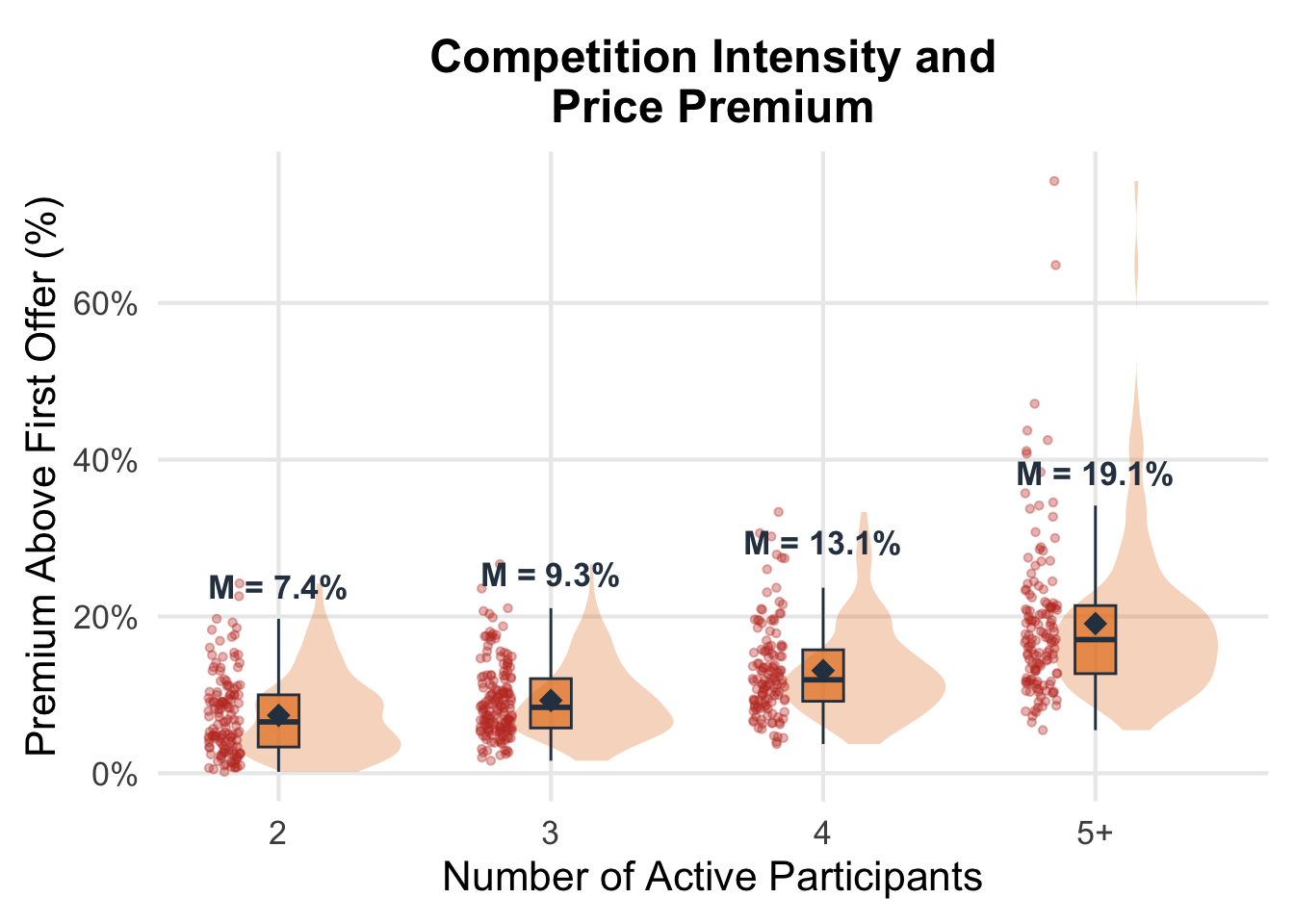
More participants drive higher final prices, consistent with competitive arousal and auction fever dynamics.

Correlations
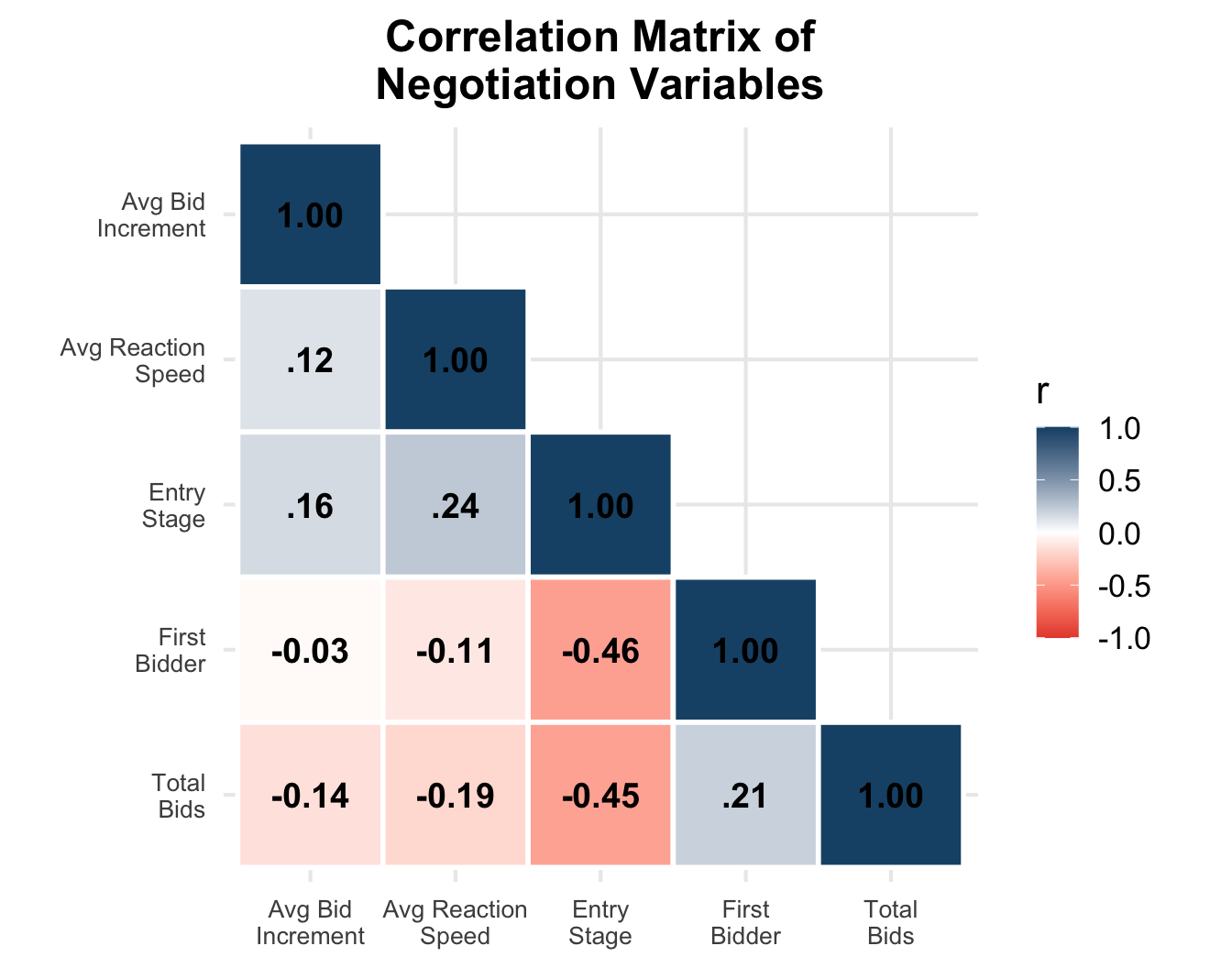
  • Later entrants bid higher and respond more slowly.

  • First bidders place more offers but with smaller increments.

Discussion & Implications

  • Real-world online negotiations involve meaningful competitive dynamics, not just passive price discovery
  • The association between participation intensity and premiums is consistent with competitive arousal (McGee, 2013; Hammervold et al., 2025)
  • Future work: examination of offer-level behaviours associated with different negotiation outcomes